
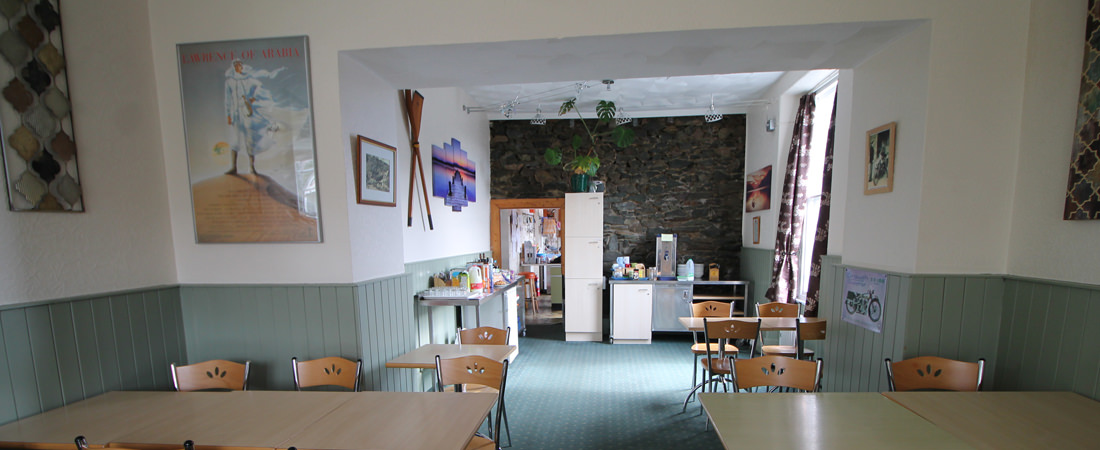
North Wales' premier hostel
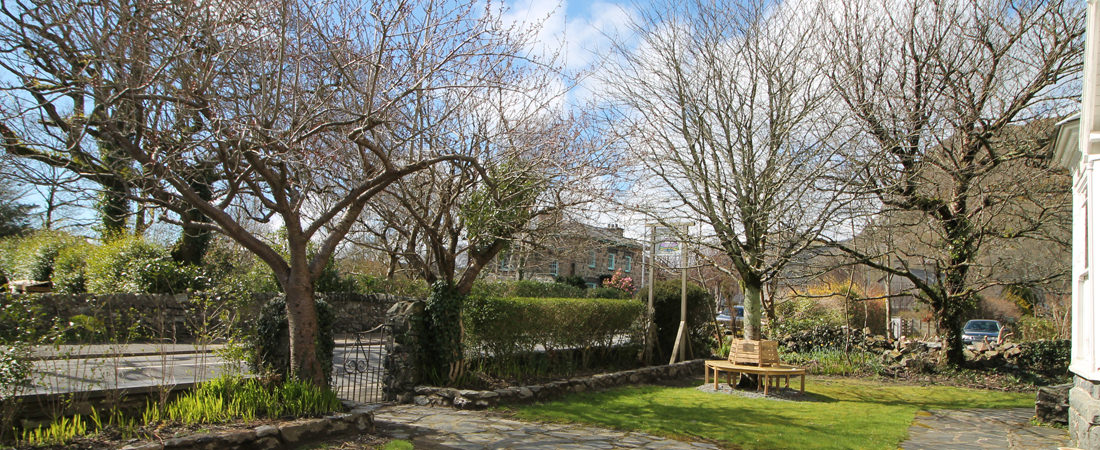
Sleep between the sea and mountains of Snowdonia
in the
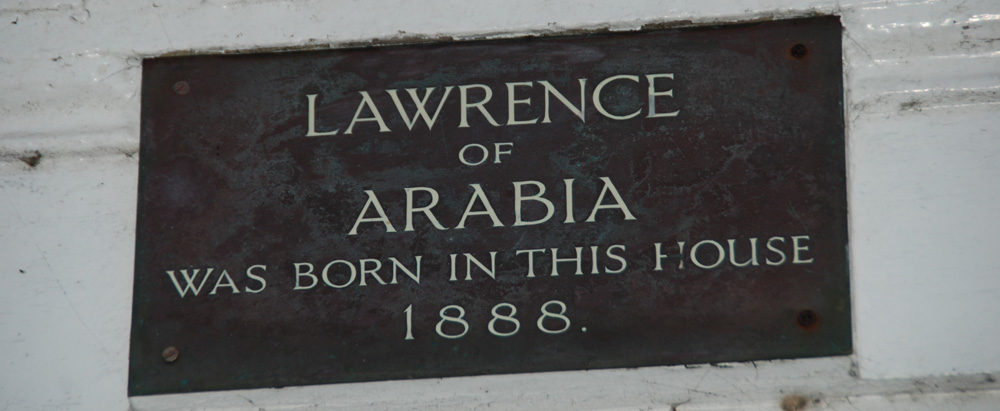
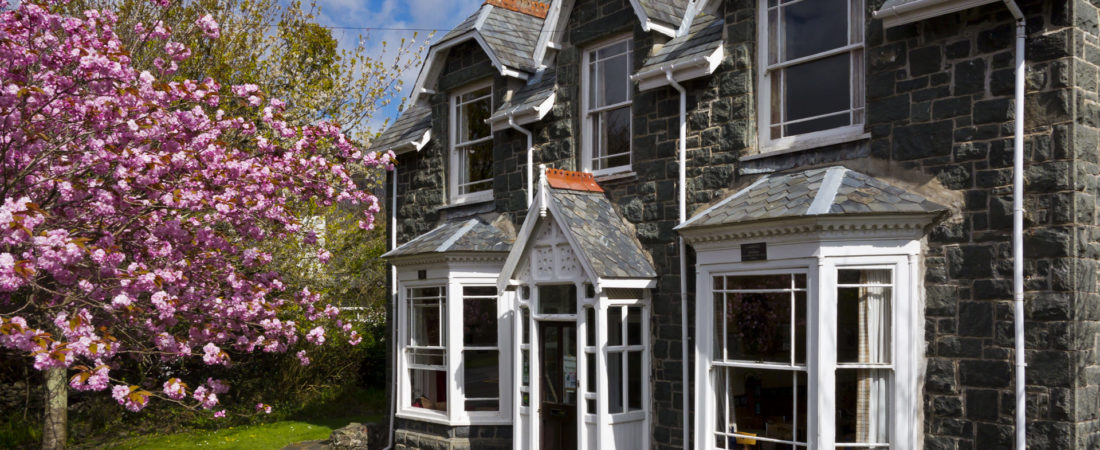
birthplace of Lawrence of Arabia!

Snowdon Lodge the number one accommodation provider in Wales.
Quality hostel for all outdoor people
Special Training weekends based at Snowdon Lodge.

If you want to upgrade
to a en-suite place try Tudor Lodge below

Tudor Lodge Portmadog 4 star guest house

Support the mountain rescue team. They save lives and the next could be yours.!

Dublin Hostels


T. E. Lawrence
"Lawrence of Arabia"

1888 - 1935


Read more, click any of the links below.

Lawrence of Arabia, a Pocket Biography
by Jeremy Wilson

Outline chronology

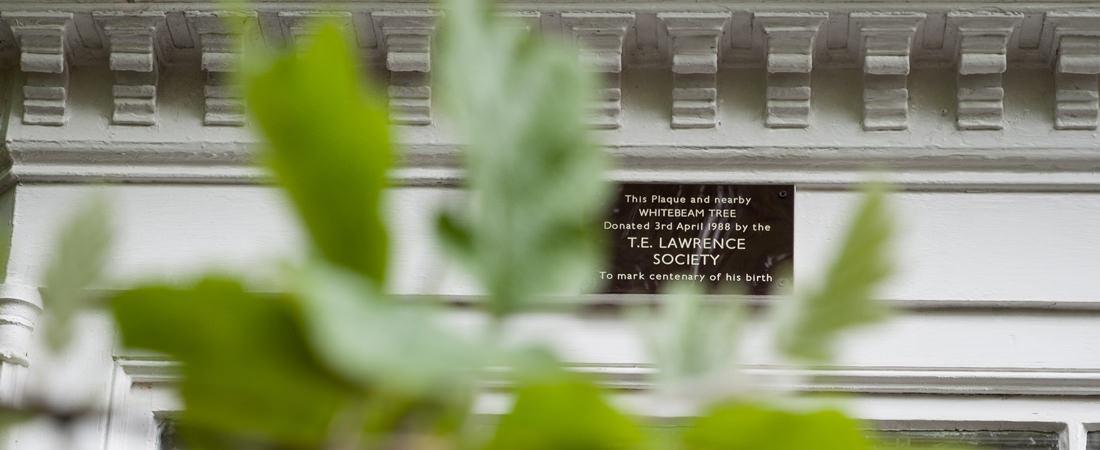
The T. E. Lawrence Society

Lawence of Arabia's Brough

T. E. Lawrence became famous after the First World War because of the
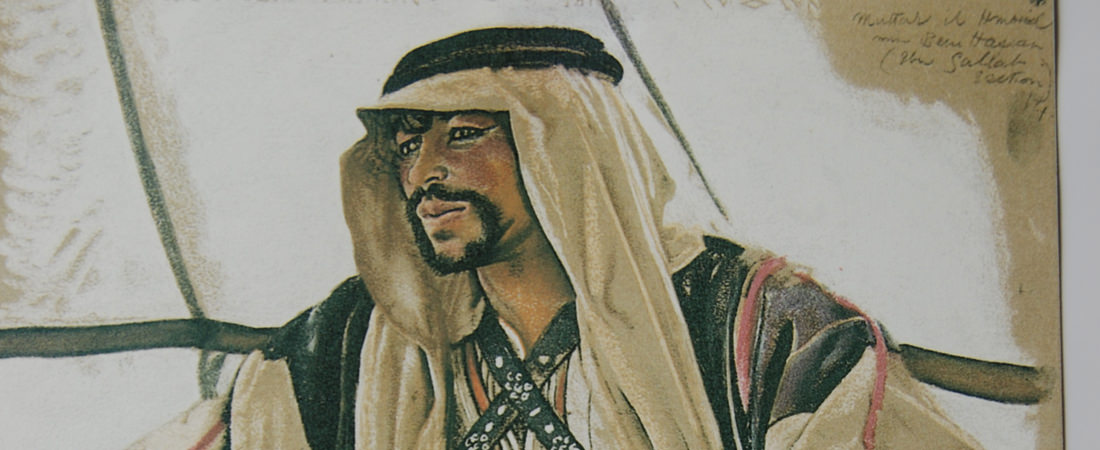
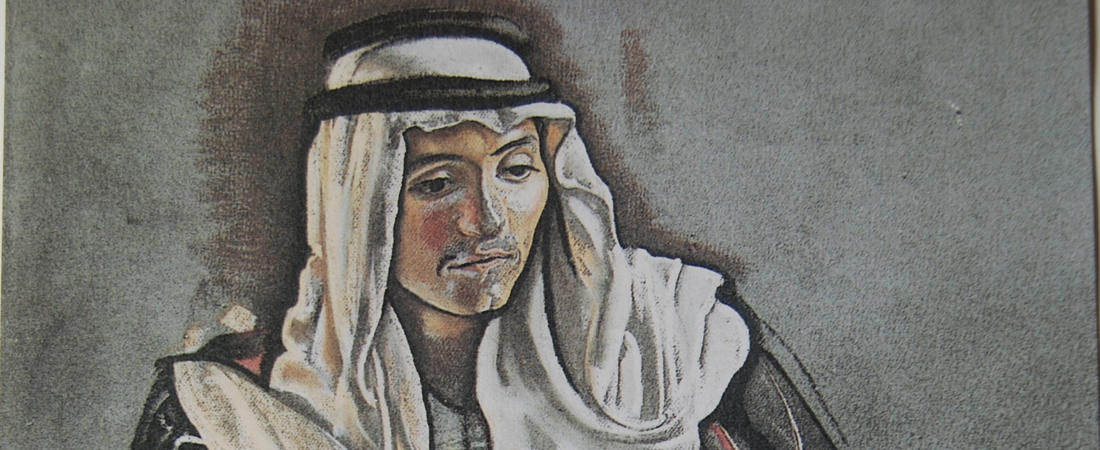
remarkable role he had played while serving as a British liaison officer during
the Arab Revolt of 1916-18. When the war ended, an American journalist,
Lowell Thomas, toured Britain and the Empire giving an outstandingly
successful slide-show about Lawrence's achievements. The romantic story
of Lawrence's campaigns in Arabia and Allenby's in the Holy Land appealed
strongly to a British public sated with horrific accounts of trench warfare on
the Western Front. From this beginning grew the legend of 'Lawrence of Arabia'.

Thereafter, the facts of Lawrence's war-adventures were often obscured by
myth. Even today, his reputation is a favourite target for popular controversialists. Nevertheless, when the secret British archives of the Middle East campaigns
were finally released in the 1960s and '70s, they showed that Lawrence's service
with the Arabs had been no less remarkable than the legend.

Lawrence himself had little wish to be remembered as a war hero: he could
hardly bear to think about his wartime role. His enduring ambition was to be
a writer. He once confessed his hope that, "in the distant future, if the distant
future deigns to consider my insignificance, I shall be appraised rather as a
man of letters than a man of action."

His literary reputation rests on a body of writing which is almost entirely
autobiographical. It includes at least 6,000 letters written between 1906
and his death in 1935, and two autobiographical books. The first, Seven Pillars
of Wisdom, is an account of his service with the Arab Revolt. The second,
The Mint, is centred on his experiences as an anonymous recruit in the ranks
of the RAF. It was there, to the astonishment and distress of many
contemporaries, that he chose to spend his life after 1922.

Both in his books and letters, Lawrence was an acute observer of people,
places, and events. Among the most memorable passages in Seven Pillars
are the vivid descriptions of desert landscapes and of the bedouin irregulars
whose life he shared. The Mint, written in a very different style to Seven Pillars,
is, like Solzenitsyn's One Day in the Life of Ivan Denisovich, a work of
observation written by a highly intelligent man who found himself effectively
imprisoned. Lawrence distilled its spare descriptions from events that he had
witnessed over and over again. Both Seven Pillars and The Mint have for many
years ranked among Penguin's modern 'Classics' Lawrence's letters are no less remarkable. His friendships ranged from fellow-servicemen in the ranks to
leading figures in the worlds of literature, art, and politics. In many cases,
letters were almost the only vehicle for these relationships, since the
circumstances of his life meant that he could rarely meet his friends.

Should he be appraised as a writer or a man of action? At the close of the
twentieth century the verdict remains open. Other men of action marked
history more deeply; other writers earned higher acclaim; yet few of his
contemporaries combined both practical and intellectual achievements to the
degree that Lawrence did. That intriguing combination has helped to sustain
the public's fascination with his life, as has the deeply introspective personality
revealed in his writings.

From Lawrence of Arabia, a Pocket Biography by Jeremy Wilson (Stroud,
Sutton Publishing, 1997)

Back to top of page

Outline chronology


1888, 16th August:
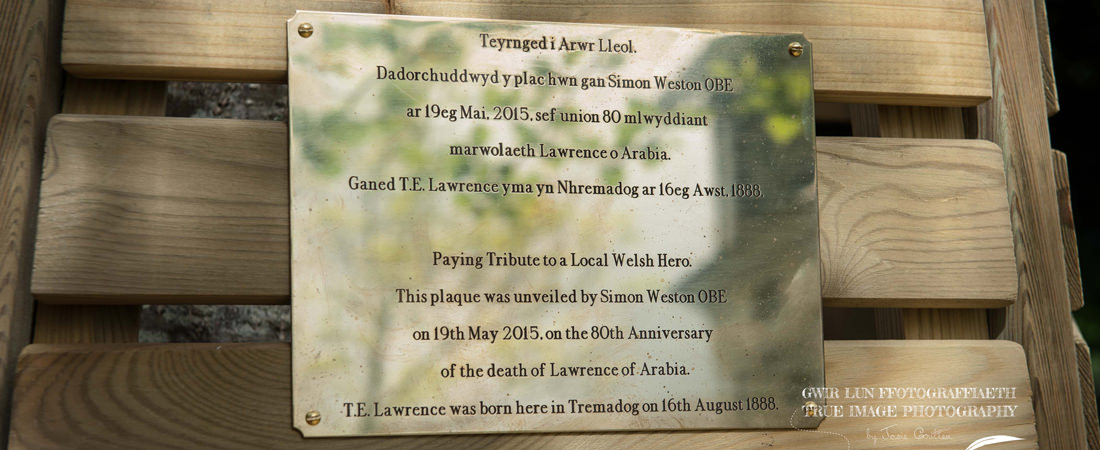
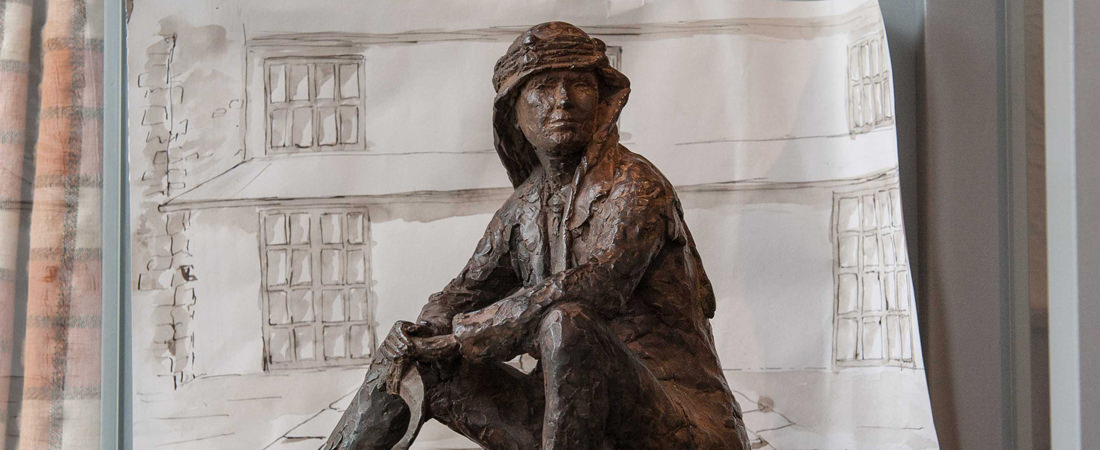
Thomas Edward Lawrence is born in this house in Tremadog North Wales.

1896:
The Lawrence family moves to Oxford.

1907-1910:
Lawrence studies at Jesus College, Oxford. For his thesis on crusader castles
he cycles 2,400 miles through France and walks 1,100 miles in Syria.

1911:
Lawrence starts work as an archaeologist at Carchemish in Syria.

1914:
War begins. Lawrence is sent to Cairo.

1915:
Lawrence's two brothers, Will and Frank, die in France.

1916:
The Arab Revolt begins and Lawrence joins Sherif Faisal in his campaigns
against the Turkish poeple.

1918:
Damascus is captured from the Turks. Lawrence returns to England.

1919:
The Paris Peace Conference dashes Arab dreams of independence.

1921-1922:
Lawrence, working with Churchill at the Colonial Office, helps to achieve some
degree of Arab self-rule.

1922-1935:
Lawrence first joins the Royal Air Force under the pseudonym of J.H. Ross,
but disclosures in the press cause his discharge. He serves in the Tank
Corps, then rejoins the RAF as T.E. Shaw. During this period he publishes
Seven Pillars of Wisdom, The Mint and his translations of Le Corbeau's
Gigantesque and Homer's Odyssey.

1935, 19th May:
Lawrence dies as a result of a motorcycle accident near his home in Dorset

Back to top of page

The T. E. Lawrence Society

Registered Charity No. 297940 P.O. Box 728, Oxford OX2 6YP

About the Society
The T. E. Lawrence Society, formed at Wareham, Dorset, in 1985, is a non-
profit organisation registered under British tax law as an educational charity.
There are currently over 600 members, of whom two-thirds live in the U.K.
Overseas members come from countries throughout the world, including a
large contingent from the United States. By the terms of its Constitution the
Society exists "to advance the education of the public in the life and works of
T. E. Lawrence and to promote research (and to publish the results thereof)
into his life and works".

The Society Committee is elected by members at the Annual General
Meeting held each September.

Subscription income is spent as far as possible on publications. This means
that members who are unable to attend meetings are not subsidising those
who do. Members receive four newsletters and two Journals each year. The
newsletters contain information about regional groups and future meetings,
and other matters of interest to members, including photographs. The Journal
contains the text of lectures given at Society meetings, research articles, and
reprints of significant material about Lawrence. The content is chosen so that
as many aspects as possible of Lawrence's life are covered.

The most important meeting organised by the Society in Britain is the
Symposium, held every two years, with speakers such as Professor John Adair,
Malcolm Brown, Philip O'Brien, and Jeremy Wilson. The last Symposium was
held at St. John's College, Oxford, in September 2000, and the last took place
at Exeter College, Oxford, on 14-15 September 2002. There are also major
events in the US: in May 2000 a conference was organised by the society's
Western Regional Group in association with Santa Clara University.

All the regional groups arrange talks, visits and social events. In the UK, the
London and Dorset groups are very active. Members of the London group
visited Syria and Lebanon in September 1999, following Lawrence's first
journey in the Middle East in 1909, when he was studying Crusader Castles.
There are also group meetings in Japan, the Netherlands, and both western

and eastern regions of the US.

The Society manages a (growing) research collection at the Oxford Central
Library. This is accessible to the public.

The Committee

Membership

The T. E. Lawrence Society welcomes new members. The annual subscription,
renewable on 1 April, covers the cost of the year's four newsletters and two
Journals, and carries the entitlement to a single vote at the Society's General
Meetings. The subscription entitles up to two people living in the same
household to enjoy all the other benefits of membership.

Subscriptions from new members joining between January and March cover the
whole of the following year. These members will immediately receive the
current Newsletter, but the first Journal covered by the subscription will be
that published in the following July.

The current U.K. annual subscription is £18.00. This may be paid by cheque,
postal order, or credit card (Visa or Mastercard).

Annual renewals may be paid by Standing Order.

The current overseas subscription is £23.00. This may be paid by sterling
cheque drawn on a UK bank, Eurocheque, or credit card (Visa or Mastercard).

Please send your completed application form and payment to:- Patricia
Kennedy,Hon. Membership Secretary

The T. E. Lawrence Society
The Membership Secretary
P.O. Box 728,
Oxford,
OX2 9ZJ

website
e-mail

Back to top of page

Lawence of Arabia's Brough

"Lawrence of Arabia's Motorcycle For Sale"

On the 13th of May 1935 Lawrence crashed Boanerges only a short distance
from the cottage at Clouds Hill in which he revised his masterpiece "Seven
Pillars of Wisdom" whilst serving as a private in the Tank Corps at Bovington
in the 1930s. Lawrence of Arabia (T.E. Lawrence), an ardent motorcyclist,
owned a succession of Brough motorcycles which he would often ride up to
500 miles a day, an astonishing feat considering the road conditions of the
1920's and 30's.
He had a new Brough awaiting delivery when he was killed.
Motorcycle Online go on to say (20/6/97) The Brough Superior motorcycle
that noted author T.E Lawrence, a.k.a. Lawrence of Arabia, was killed on
while riding in 1935 was offered up for sale last week. John Truss, acting
on behalf of the bike's current owner, who wants to remain anonymous, said
they have been offered up to $3.3 million for "the world's most famous and
romantic motorcycle."
Lawrence was riding the 1000cc Brough back to his cottage in England on
May 13, 1935 when he apparently highsided the bike after trying to avoid
two boys on bicycles. He died in a nearby hospital six days later from
injuries suffered in the crash.
Lawrence was a keen motorcyclist who owned seven of the famed Brough
bikes.
After his accident, the bike was returned to the factory where it was
repaired and sold. It has been owned by a motorcycle historian in southern
England for the past 20 years who now wants to sell it because of failing
health. Experts say that a Brough in the same condition as Lawrence's -
but without its history - could fetch up to $85,000. There are only an
estimated 1,000 or so Broughs still surviving, but the $3 million price
tag for Lawrence's machine has raised some eyebrows. Truss said he
had recently turned down an offer of $2.5 million from an American
collector for the bike.


"T.E.Lawrence's Motorcycle at Max Gate"

Back to top of page

More details.

"Lawrence of Arabia Factfile"
Denis McDonnel book seller


Copyright © 2002-6 Anca 2000 Limited T/A Snowdon Lodge
Company reg No. 3690020 VAT No 737881391
Terms and conditions